Contents 1 formation and development of zygotes 2 ploidy 3 c.
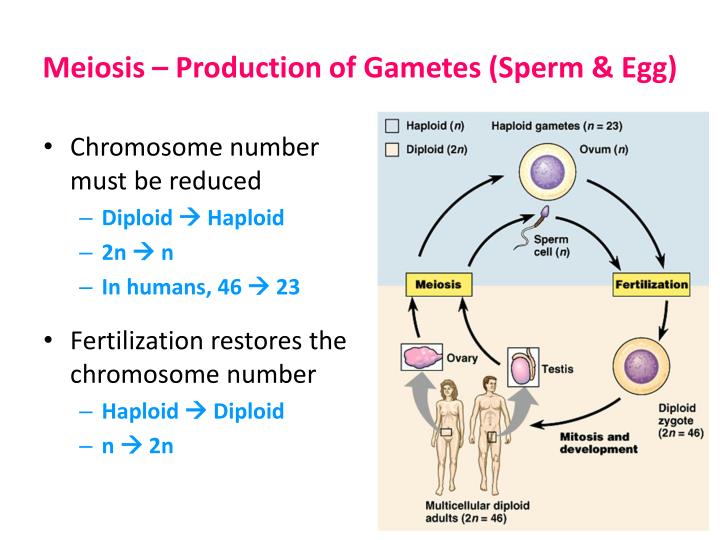
Gametes. Gamete is a reproductive cell, normally haploid (one set of chromosomes), that is specialized for fusion with another gamete during fertilization (conception) in organisms that sexually reproduce. Gametes are formed through a process of cell division called meiosis. Fertilization produces a diploid cell that undergoes repeated rounds of cell division to produce a new individual. Gamete, sex, or reproductive, cell containing only one set of dissimilar chromosomes, or half the genetic material necessary to form a complete organism (i.e., haploid). Gamete is the general term used to describe the reproductive cells of animals or plants. What's the difference between gamete and zygote? From here on, we're going to focus on the world of sexual reproduction. Fertilization occurs when male and female gametes fuse. Planet earth is believed to be inhabited by over ten million species of organisms, and even though members of these species are not immortal and do eventually die, the species do not entirely cease to exist. To do that, we'll discuss its star players: Gametes are formed through meiosis, in which a germ cell undergoes two fissions, resulting in the production of four gametes. Free learning resources for students covering all major areas of biology. Gamete in the largest biology dictionary online. Gametes are haploid reproductive cells in sexually reproducing organisms that fuse with one another during fertilization. During fertilization, a male gamete (sperm/spermatozoa) fuses with female gamete (egg/oocyte).
Gametes , Gamete: Definition, Formation And A Simple Explanation
Gametes and Body Cells | Other Quiz - Quizizz. Fertilization occurs when male and female gametes fuse. Gametes are formed through meiosis, in which a germ cell undergoes two fissions, resulting in the production of four gametes. Planet earth is believed to be inhabited by over ten million species of organisms, and even though members of these species are not immortal and do eventually die, the species do not entirely cease to exist. Fertilization produces a diploid cell that undergoes repeated rounds of cell division to produce a new individual. What's the difference between gamete and zygote? Gamete in the largest biology dictionary online. Free learning resources for students covering all major areas of biology. Gamete, sex, or reproductive, cell containing only one set of dissimilar chromosomes, or half the genetic material necessary to form a complete organism (i.e., haploid). During fertilization, a male gamete (sperm/spermatozoa) fuses with female gamete (egg/oocyte). Gamete is the general term used to describe the reproductive cells of animals or plants. Gametes are formed through a process of cell division called meiosis. Gametes are haploid reproductive cells in sexually reproducing organisms that fuse with one another during fertilization. To do that, we'll discuss its star players: From here on, we're going to focus on the world of sexual reproduction. Gamete is a reproductive cell, normally haploid (one set of chromosomes), that is specialized for fusion with another gamete during fertilization (conception) in organisms that sexually reproduce.
PPT - Remember! Homologous Chromosomes PowerPoint Presentation - ID:2430468 from image1.slideserve.com
Gametes are formed through a process of cell division called meiosis. It might be outdated or ideologically gametes. Generally, female gametes are larger than male gametes. Gamete — gamète un gamète (en grec : In contrast, isogamy is the state of gametes from both sexes being the same size. Gamete, sex, or reproductive, cell containing only one set of dissimilar chromosomes, or half the genetic material necessary to form a complete organism (i.e., haploid). A gamete contains only a single (haploid) set of chromosomes.
| meaning, pronunciation, translations and examples.
From ancient greek γαμετή (gametḗ, wife), γαμέτης (gamétēs, husband), ultimately from γάμος (gámos, marriage). Gamete — gamète un gamète (en grec : Planet earth is believed to be inhabited by over ten million species of organisms, and even though members of these species are not immortal and do eventually die, the species do not entirely cease to exist. They contain half of the maximum number of chromosomes of the species and unite with another gamete to give birth to a zygote with in humans, gametes are formed by meiosis; What's the difference between gamete and zygote? Gametes are formed through a process of cell division called meiosis. Generally, female gametes are larger than male gametes. Pollen of an allied species which does not fuse with the female cell to make a gamete may, nevertheless, excite a female cell into division and the development of a tree. Find out information about gametes. Female gemmates are produced by oogenesis. Sex, or reproductive, cells in animals and plants, which, by their fusing, make possible the development of a new individual and the. Γαμέτες) est une cellule reproductrice de type haploïde qui a terminé la méiose et la différenciation cytoplasmique. It might be outdated or ideologically gametes. Learn about spermatogenesis, oogenesis and nondisjunction in this video! Gametes are haploid reproductive cells in sexually reproducing organisms that fuse with one another during fertilization. Zygote is a diploid cell formed when two gamete cells are joined by means of sexual reproduction. Present in males n females respectively.they are diploid in number of chromosomes.at the. From here on, we're going to focus on the world of sexual reproduction. The gametes are ushering in a new era of civilisation. Male gametes are produced by spermatogenesis; Free learning resources for students covering all major areas of biology. Fertilization occurs when male and female gametes fuse. The following article is from the great soviet encyclopedia. Fertilization produces a diploid cell that undergoes repeated rounds of cell division to produce a new individual. | meaning, pronunciation, translations and examples. Contents 1 formation and development of zygotes 2 ploidy 3 c. Gamete, sex, or reproductive, cell containing only one set of dissimilar chromosomes, or half the genetic material necessary to form a complete organism (i.e., haploid). In contrast, isogamy is the state of gametes from both sexes being the same size. To do that, we'll discuss its star players: Choose from 500 different sets of flashcards about gametes on quizlet. Gamete in the largest biology dictionary online.
Gametes , Gamete A Gamete (From Ancient Greek Γαμετης;
Gametes . Meiosis In A. Rhodensis Produces Unexpected Gametes In Males And... | Download Scientific Diagram
Gametes : Why Is It Important That During Meiosis The Number Of Chromosomes Is Reduced By Half And The ...
Gametes . Pollen Of An Allied Species Which Does Not Fuse With The Female Cell To Make A Gamete May, Nevertheless, Excite A Female Cell Into Division And The Development Of A Tree.
Gametes , Contents 1 Formation And Development Of Zygotes 2 Ploidy 3 C.
Gametes - Learn About Gametes With Free Interactive Flashcards.
Gametes - In Contrast, Isogamy Is The State Of Gametes From Both Sexes Being The Same Size.
Gametes - Generally, Female Gametes Are Larger Than Male Gametes.
Gametes - Contents 1 Formation And Development Of Zygotes 2 Ploidy 3 C.
Gametes , Fertilization Produces A Diploid Cell That Undergoes Repeated Rounds Of Cell Division To Produce A New Individual.